Session

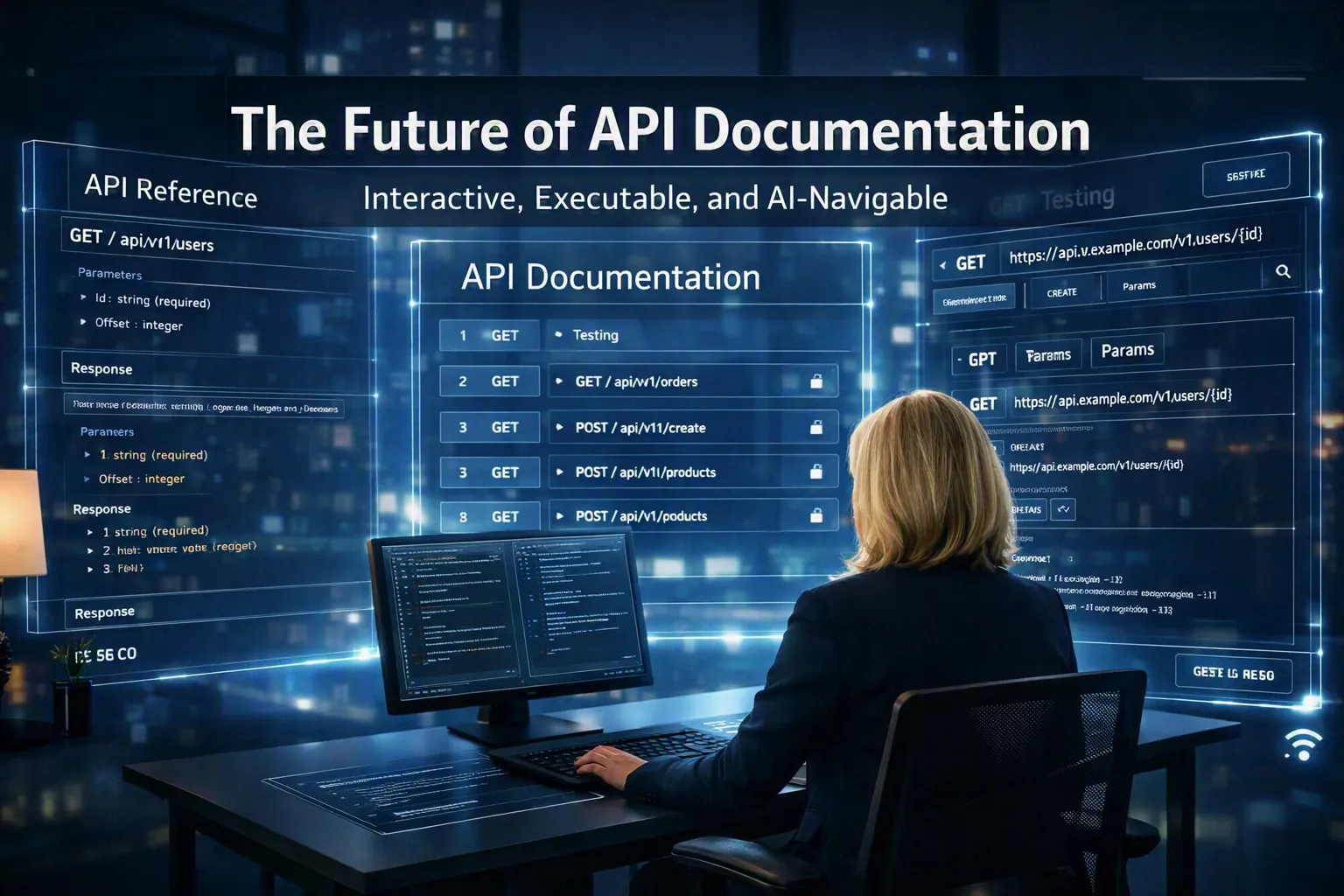
The API Refactoring Playbook: Modernizing Legacy Interfaces Without Breaking Everything

Many enterprises have legacy APIs that cannot be rewritten but desperately need to evolve. This talk delivers a practical, battle‑tested playbook for safely and incrementally modernizing APIs. We’ll outline strangler patterns, compatibility testing, contract‑driven refactoring, effective deprecation strategies, and the safe introduction of new capabilities. This session is for teams seeking a balanced approach between full rewrites and inaction.

Session

Backlog at Lightspeed

Requirements work is often the slowest part of the delivery process, even for high‑performing teams. This session introduces a practical, field‑tested playbook that uses a coordinated team of specialized AI agents to accelerate the workflows of Product Owners and Business Analysts. Through a structured multi‑phase approach, these agents support stakeholder discovery, user research, process modeling, risk analysis, feature decomposition, and backlog refinement—while humans remain fully responsible for decisions, quality, and alignment. The result is a complete, traceable, architecture‑ready backlog produced in a fraction of the time. Attendees will learn how to bring AI upstream responsibly, reduce rework, and give teams the clarity they need to start strong.
Session

Beyond Code: Practical AI Workflows for Architects, Engineers, and Product Teams

Learn how to use modern AI tools to accelerate the engineering work that happens before any code is written. In this hands‑on workshop, you will practice applying AI to real-world scenarios in architecture, business requirements, and platform engineering. Through guided exercises, you will generate architectural options, refine business intent, create structured requirements, and build infrastructure scaffolding using practical workflows drawn from the Architecture Process System, Requirements Process System, and Infrastructure Generation System. By the end of the day, you will have repeatable patterns and hands-on experience that help you use AI to improve clarity, reduce rework, and speed up delivery across your engineering organization.

Workshop

Beyond Code: Hands‑On AI Workflows for Architecture, Requirements, and Platform Engineering

Learn how to apply modern AI tools to the engineering work that shapes successful software long before coding begins. In this full‑day hands‑on workshop, you will use AI to explore architectural options, clarify business requirements, and build platform engineering and infrastructure scaffolding through realistic, guided scenarios. You will practice structured workflows drawn from the Architecture Process System, Requirements Process System, and Infrastructure Generation System, gaining repeatable patterns you can use to improve clarity, reduce rework, and accelerate delivery across your engineering organization.

Session

Choosing the Right GitHub Copilot Model for Every Technical Task

Choosing the right GitHub Copilot model family can improve the quality, speed, and cost of your work across development, architecture, platform engineering, and analysis. This session explains how Copilot selects models, how to override those choices, and how to match model families to different types of technical tasks. You will learn how Copilot behaves across VS Code, Visual Studio, GitHub.com, the CLI, and the Agent Window, and how features like Copilot Instructions, AGENT.md, skills, and custom agents influence model behavior. The session gives you a practical framework for selecting the right model family and getting the best results for the best price.

Session

Event‑Driven Architecture Without the Fairy Dust

Event‑driven architecture is often sold as a simple upgrade: publish an event, add a broker, and enjoy loose coupling. In practice, that advice creates systems that are harder to reason about, harder to change, and far more fragile than the synchronous designs they replaced.

Session

Event Contracts Are Forever: Designing Schemas That Survive Change

Event‑driven systems promise loose coupling, but in practice, teams freeze event schemas out of fear. Once an event is published, it becomes a long‑lived public contract with unknown consumers, delayed failure modes, and no safe rollback. Versioning that works for REST APIs often collapses under fan‑out, shared streams, and organizational reality.

Session

Idempotency, Exactly‑Once, and Other Lies We Tell Ourselves

Distributed systems don’t behave the way the docs say they do. We’re told we have “exactly‑once delivery,” “guaranteed processing,” and “idempotent handlers,” but the moment a region fails over, a consumer crashes mid‑write, or an operator hits “retry,” those guarantees evaporate. This session cuts through the marketing and shows what really happens inside queues, event buses, and serverless runtimes when the world gets messy.

Session

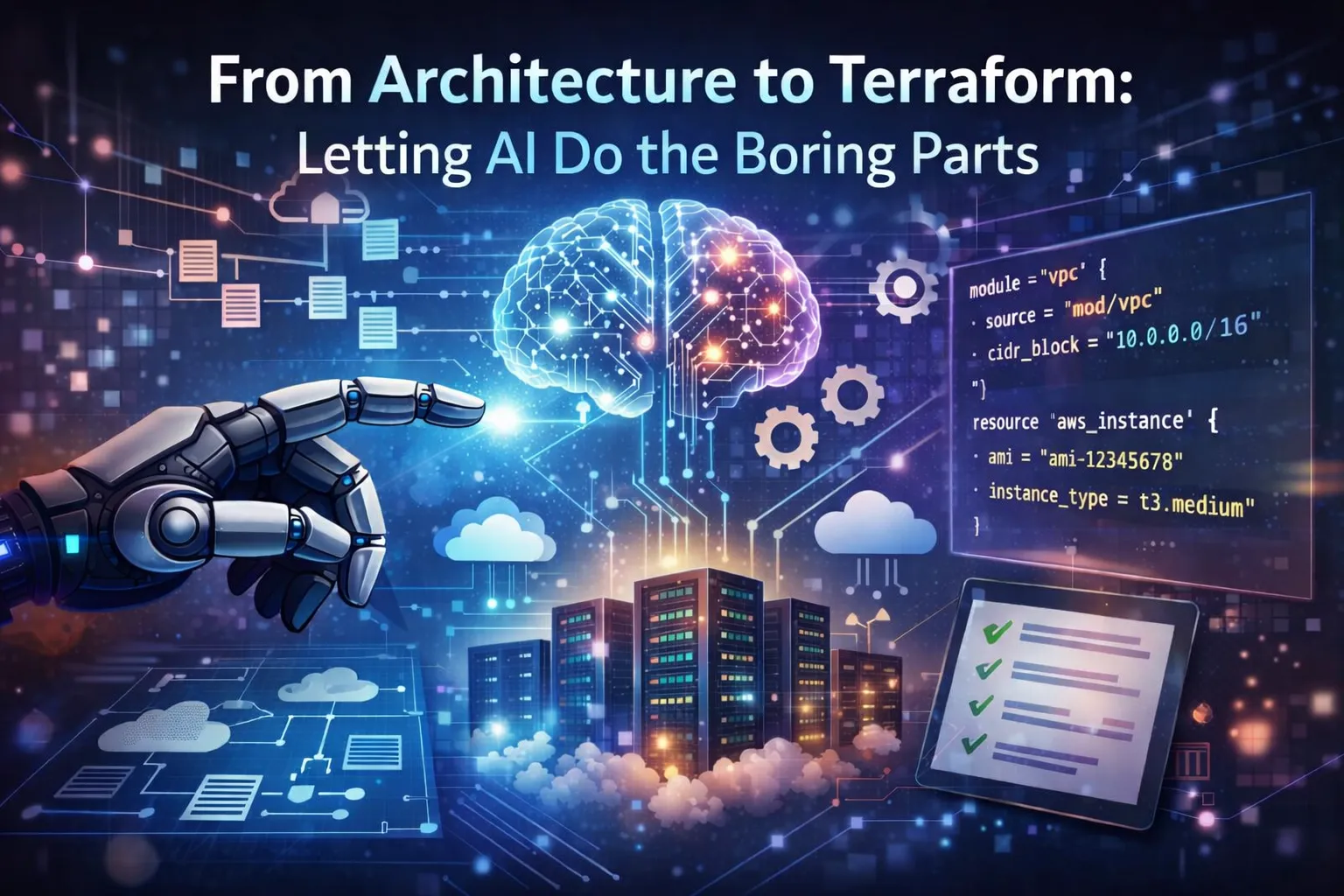
No More Hand-Rolled Terraform

Most cloud architectures follow familiar patterns, yet engineers still rebuild Terraform by hand. This session shows how to turn documented architecture into a machine‑readable contract, use opinionated modules as guardrails, and let AI handle the repetitive translation work without losing human judgment. Through a live, end‑to‑end demo, you’ll see what AI gets right, where it’s intentionally constrained, and how engineers review and refine the output. Attendees leave with a practical model for encoding decisions, a repeatable module strategy, and a workflow that frees teams from low‑value assembly while strengthening standards and governance.

Session

Observability for Asynchronous Systems: Tracing Intent Across Time

Asynchronous, event‑driven systems break the mental model that most observability tools and most teams still rely on. When work unfolds across queues, retries, timers, and long‑running workflows, there is no “request” to trace. The real unit of work is intent, and without explicitly designing for it, failures become opaque, investigations stall, and teams lose the ability to explain what actually happened.

Session

Platform Engineering Without the Fantasy

Platform engineering has become the industry’s latest cure‑all, but behind the glossy diagrams and “golden paths,” many teams are quietly wrestling with platforms that are overbuilt, under‑adopted, and impossible to evolve. The problem isn’t tooling. It’s the fantasy that a platform can succeed without clear contracts, intentional boundaries, and metrics that reflect real value instead of vanity velocity.

Archived Presentations

These presentations are no longer actively offered.

Interested in one of these presentations?
Email chadgreen@chadgreen.com to have Chad present at your event.